


Stop Burning Through Your Cutting Wheels
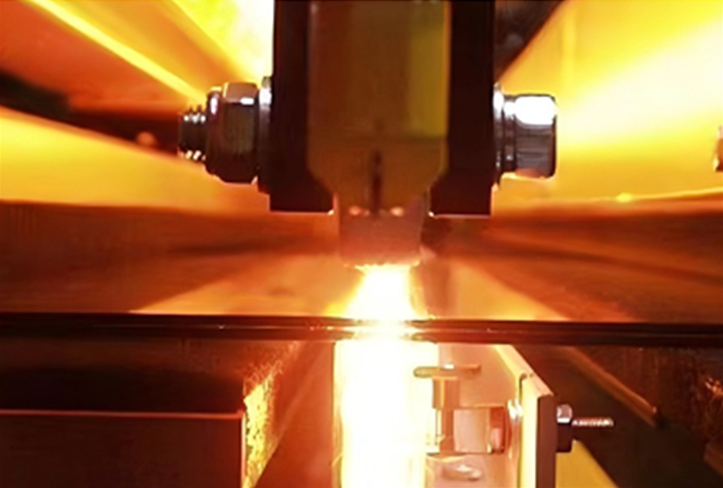
If you’ve ever tried to score ultra-thick glass, you know the struggle. It’s a fight. The glass pushes back, the diamond wheel takes a beating, and before you know it, you’re chipping away at your profits because you’re replacing tools way too often. It’s frustrating. But there’s a better way to handle it. We started using shortwave infrared (IR) lamps to prep the glass right before the blade hits. Instead of fighting the material cold, we soften it up exactly where the cut needs to happen. Why shortwave IR? Most heat lamps just warm up the surface. That doesn’t do much for a thick plate. Shortwave IR is different—it actually sinks deep into the glass. By hitting the score line with this kind of energy, you’re lowering the internal tension of the material. It makes the glass less stubborn. When the wheel hits the surface, it’s not hitting a wall; it’s hitting something that’s ready to be cut. Saving your tools The difference is something you can actually feel. The wheel just glides. Because you’ve cut down the friction, the diamond grit doesn’t burn out or snap under the pressure. It’s a much smoother process. Plus, you get a cleaner break every time, which means you aren’t swapping out wheels nearly as often. The tricky part Now, you can’t just throw a lamp on the machine and call it a day. You have to be precise. You need that heat focused right on the cutter head. If the heat spreads too far, you risk warping the plate or causing thermal shock. It’s all about that tight focal point. And a heads-up: these lamps get hot. Really hot. If your cooling fans aren’t up to the task, you’ll end up frying your electronics. Keep your airflow clear and make sure the lamp is properly shielded. As long as you keep the heat where it belongs, your machine—and your wheels—will thank you.