

Introduction
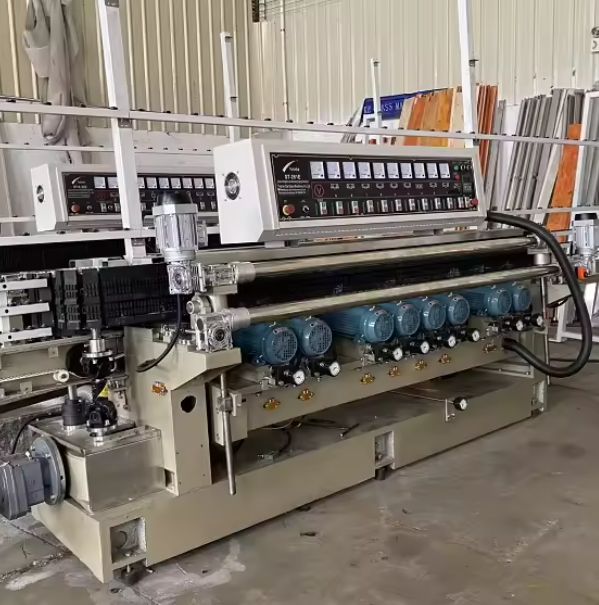
We build custom infrared drying units for glass production lines, especially the kind that handles silk-screen printing. The goal is simple: dry fast, dry evenly, and do it without eating up your plant’s floor space. We packed the whole drying process into one compact system. In fact, it can cut the machine footprint by up to 40%. More room on the floor. Less squeeze.
How It Actually Works
Here’s the heart of it: we focus the heat where it matters. Traditional ovens heat the air and take forever to move through. Our infrared tunnel sends heat straight to the glass surface—line-of-sight, no waiting. That means a much shorter tunnel while you still keep your line speed. We match the power and voltage to exactly what’s needed to cure inks on tempered or annealed glass. This isn’t a one-size-fits-all heater. It’s a thermal setup tuned to your line speed and your glass dimensions.
Built for the Real World
These heating elements live on a production floor, not in a lab. We use high-output halogen lamps inside tough quartz tubes, so they can handle rapid heating and cooling without flinching. The reflector coating throws as much energy as possible down onto the glass—less wasted heat, more useful drying. And when a lamp needs replacing, the connectors (like R7s and other industrial-grade interfaces) are chosen to make the swap quick. Less downtime. More uptime. The whole unit arrives pre-wired as one module, ready for a fast install.
What It Does for You
On a silk-screen glass line, this unit slides right in where bulky drying sections used to be. That 40% footprint reduction? It’s real. You get space back for extra process steps or staging material. The fast drying cycle helps prevent ink smearing, so your print quality stays consistent. Now, there is one thing to keep in mind. The power is concentrated, so the area around the unit gets warmer. That means the machine enclosure and cooling systems need to be set up to handle the added heat. We help you make sure your electrical and thermal setup can support it, so everything runs safely and reliably.
The Honest Part
High-density infrared is fast and compact, but it does push heat into the immediate work area. Make sure you have enough cooling capacity in that cell—for the equipment’s lifespan and for operator safety.
Quick Snapshot
*What it’s for: Drying silk-screen printed glass *Big win: Up to 40% smaller machine footprint *How it’s built: A single, customized infrared tunnel unit *What it does best: Fast, direct drying that cures ink quickly *Installation: Comes pre-assembled, ready to plug in and get running fast