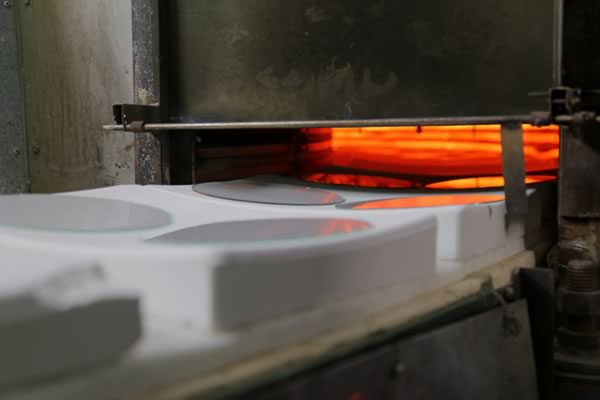
On a lamination line, PVB prep is where the clock and the energy meter both get put to work. If the film heater can’t hold a stable, uniform temperature across the whole sheet, you end up with uneven tack, trapped air, and rejects that show up later as optical defects. You also burn extra kWh on slow ramp-up and heat bleeding into the frame. What matters under the hood We built the PVB film heating around short-wave infrared (SWIR) quartz emitters because they respond fast and give tight control. The heaters hit setpoint in seconds, not minutes, and the control system holds temperature in a narrow window across the full active area. That matters because PVB is touchy: too cool and the film won’t flow; too hot and it degrades and discolors. The emitter layout gives a uniform thermal field, so edge-to-center deltas don’t create localized stress and uneven bonding. The result is repeatable heating that keeps pace with high-throughput autoclave cycles. In glass lamination, the heating step isn’t just about temperature—it’s about repeatability and uptime. Fast, controlled heat shortens the dwell window, which boosts line capacity without adding ovens or stretching shifts. Energy use drops because the emitters heat the film directly, not the air, and because the system recovers quickly between cycles. We’ve seen plants cut energy per laminated part by double digits while holding the same quality targets, simply because the process wastes less and delivers more. Here’s what to keep in mind. The module is a drop-in upgrade for common lamination press and prep stations, but alignment and clearance are non-negotiable. The frame, reflectors, and sensor placement have to match the machine envelope; otherwise the thermal profile drifts and edge heating turns inconsistent. Plan on a short shutdown for integration and calibration, and make sure your control interface can handle the PID tuning SWIR control needs. Line that up, and you get a stable process that pays back fast.