Making Bathroom Heaters That Actually Make Sense
Building a bathroom heater isn’t as simple as just sticking a heating element in a box. You’ve got steam everywhere and, more importantly, you’ve got people—often babies—who are way more sensitive to light and heat than we are.
The “Blinding Light” Problem
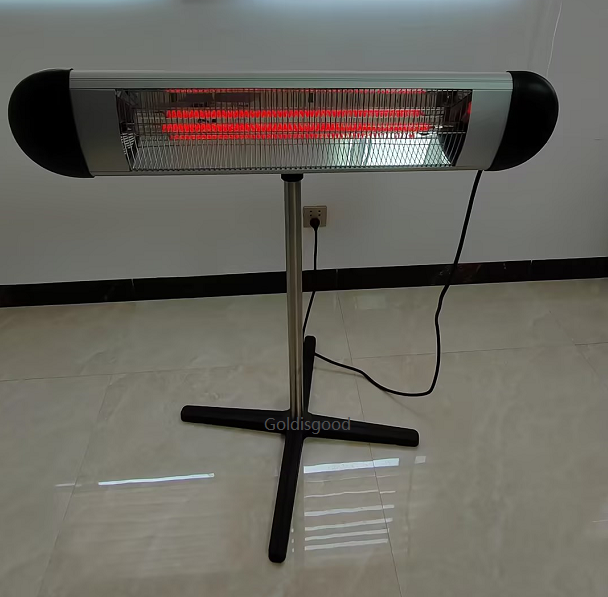
Ever looked at one of those old-school infrared lamps? They’re blinding. That harsh, white glare is a nightmare for a baby’s developing eyes. We didn’t want that. So, we played around with the quartz tubes and added some specialized coatings to shift the light spectrum. The goal was simple: keep all that cozy heat, but kill the blinding light. Now, you get the warmth without feeling like you’re staring into a spotlight.
Keeping Water Out (and Heat Moving)
Bathrooms are wet. To keep the electronics from frying, we use IPX4-rated housings. Basically, we seal every joint and use gaskets that don’t care about steam or splashes. But here’s the tricky part: when you seal a high-wattage lamp inside a tight box, things get hot. Fast. If you use cheap plastic, it’ll warp or melt. To stop that, we use aluminum heat sinks and high-temp polymers. It keeps the guts of the machine cool while the air stays warm.
The Honest Trade-off
I’ll be real with you—filtering the light does take a tiny bit of the “raw power” away. You might have to leave the heater on a few minutes longer to get the room exactly where you want it compared to a cheap, unfiltered halogen lamp. But honestly? That’s a price worth paying. I’d much rather a room take an extra minute to warm up than risk someone’s eyesight. We also added a dimmable controller, so you can just dial in the exact balance of heat and light that feels right for your space.