Stop the Mold: Why Your Bathroom Needs More Than Just a Heater
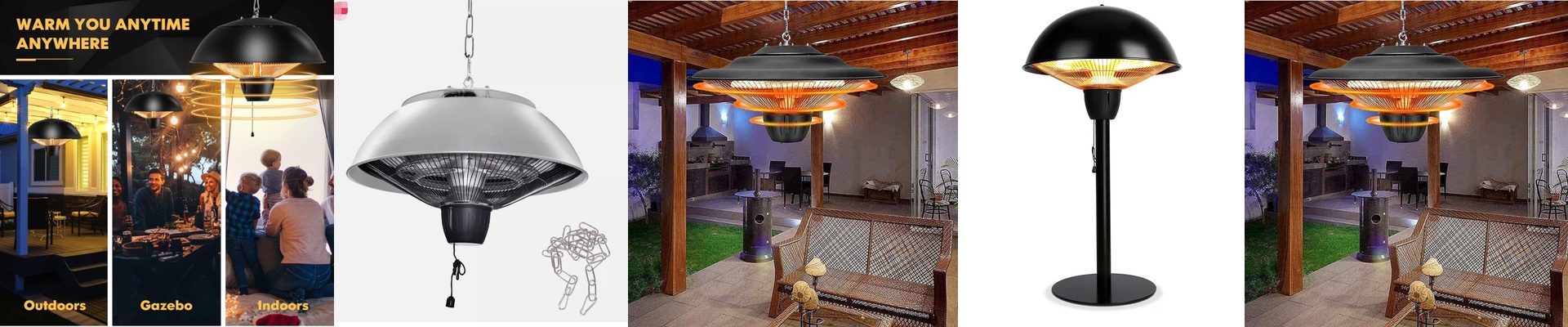
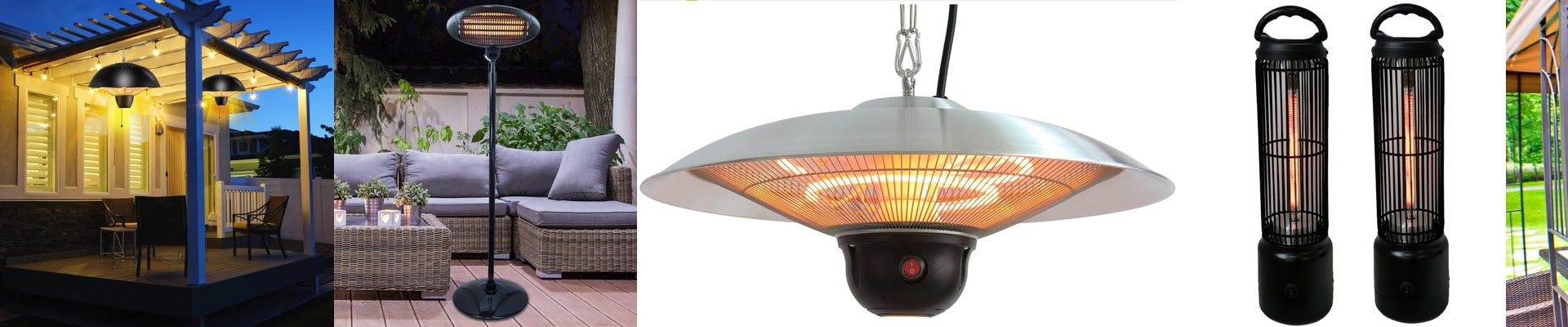
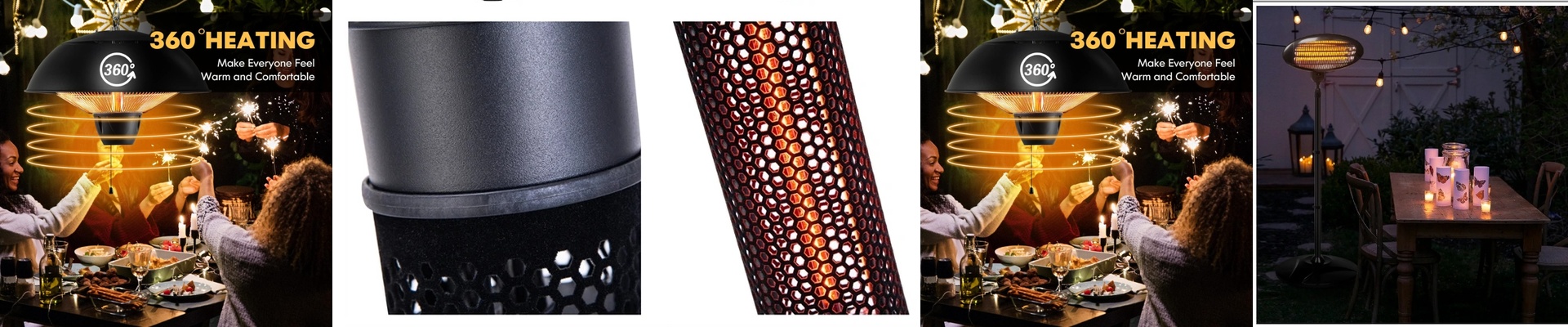
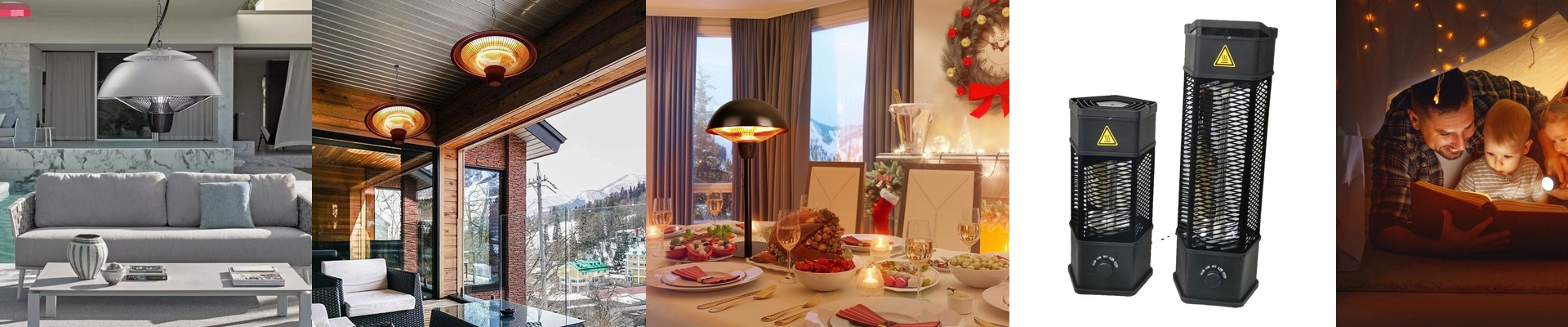
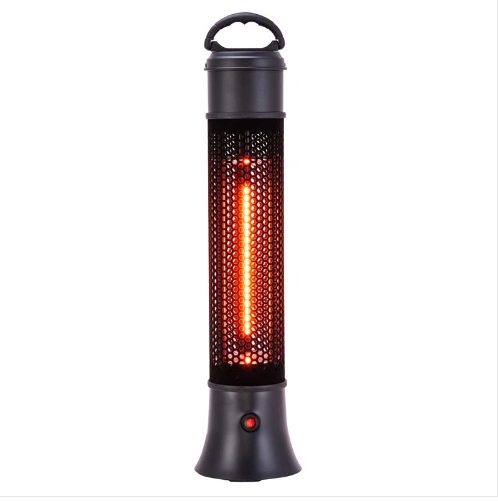
Most people think of those infrared lamps in the bathroom as just a way to keep from shivering when you step out of the shower. But if you look at it from a build perspective, it’s actually about fighting a war against moisture. When you put a waterproof infrared heater on the ceiling or a table, you aren’t just warming up the air. You’re actually hitting the water molecules clinging to your walls and floors.
How it actually works
We use something called short-wave infrared (SWIR). Now, don’t let the technical name bore you. The simple version is this: unlike a normal heater that just blows warm air around, SWIR actually sinks into the surface of your tiles and grout. It bumps the temperature of the wall up just enough so that water can’t settle. If the wall stays warm, the water doesn’t condense. And if there’s no standing water, mold spores have nothing to grab onto. It’s that simple. One thing to watch out for? Wattage. If the power is too low, you’ll end up with “cold spots.” Those are the perfect little breeding grounds where mold still manages to sneak in. We push for high-wattage density so the heat hits every corner fast.
The “Don’t Let It Break” Part
Water vapor is basically poison for electronics. To stop your heater from frying, we wrap everything in IP-rated housings and use heavy-duty quartz glass. This keeps the heating element from rusting or oxidizing. The seals have to be perfect. Even a tiny leak can lead to a short circuit or a burnt-out lamp, which is a headache nobody wants. Also, a quick heads-up on the electrics: these lamps pull a lot of power the second they kick on. Make sure your wiring can handle that initial surge, or you’ll be tripping breakers.
A Few Real-World Tips
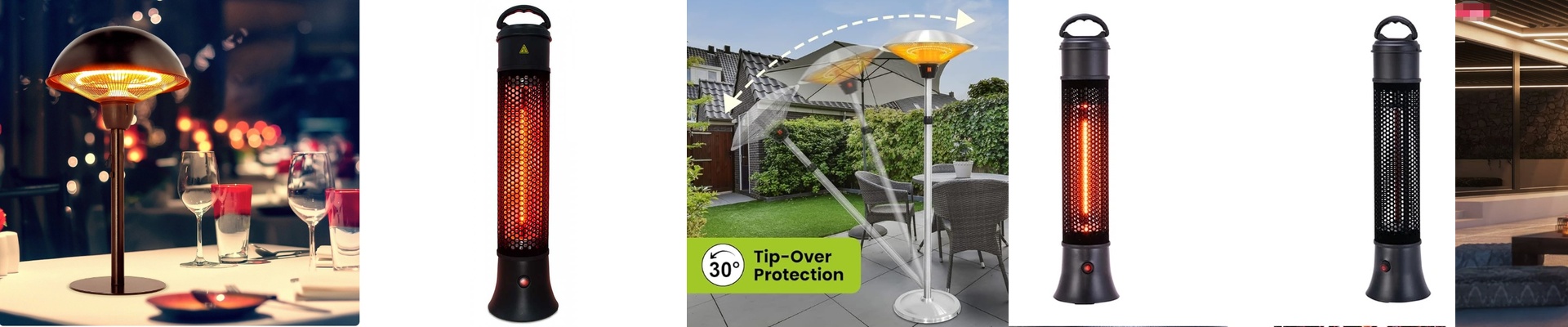
Here’s the catch: high-intensity infrared is great, but the heat zone is pretty tight. You’ll feel like you’re basking in the sun directly under the lamp, but the far corners of a big bathroom might stay damp. If you’ve got a larger space, don’t just buy one massive, oversized lamp. It doesn’t work that way. Instead, try using two smaller units and overlap their heat patterns. It’s a much better way to make sure the whole room stays dry and warm.