



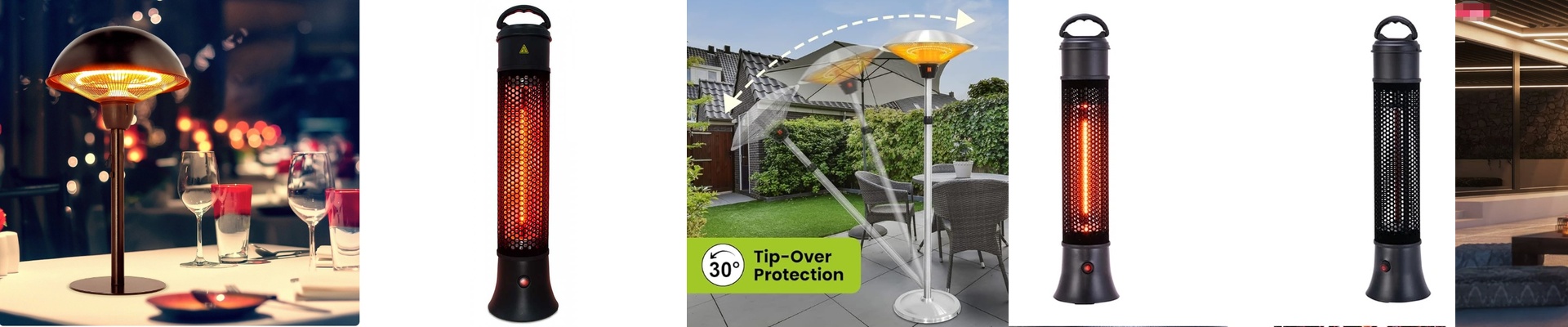
Cold morning light hits the office, and the air just sits there—waiting. Employees come in hunched up, hoping the building’s HVAC catches up soon. That wait isn’t just uncomfortable; it kills focus. An infrared office heater changes that first minute. It doesn’t chase air temperature around the room. It warms people and surfaces directly, with radiant heat the instant you flip the switch.
What matters under the hood
Infrared office heaters run on quartz tubes or carbon fiber elements to produce short-wave radiation—the same direct warmth you feel from the sun. In a 120V or 240V commercial setup, these units pull 1,500 to 3,000 watts. That’s enough to cover targeted zones without tripping over standard outlets. The heat comes immediately—no warm-up lag—and the built-in thermostat keeps output steady. Safety is built in, not bolted on: tip-over protection cuts the element if the unit gets knocked, and an IP rating means it can handle the drafts and humidity you get in entryways and meeting rooms.
Why it plays so well in offices
Office mornings follow a familiar script. The infrared heater turns that script into a quick reset. Instead of waiting on convection heat to slowly lift the whole room, people feel warmth in seconds. Hands warm up. Shoulders drop. And that first coffee actually tastes better because the chill isn’t stealing the moment. You end up with a calmer start, faster readiness for meetings, and less energy wasted heating empty corners.
The practical stuff—placement and exposure
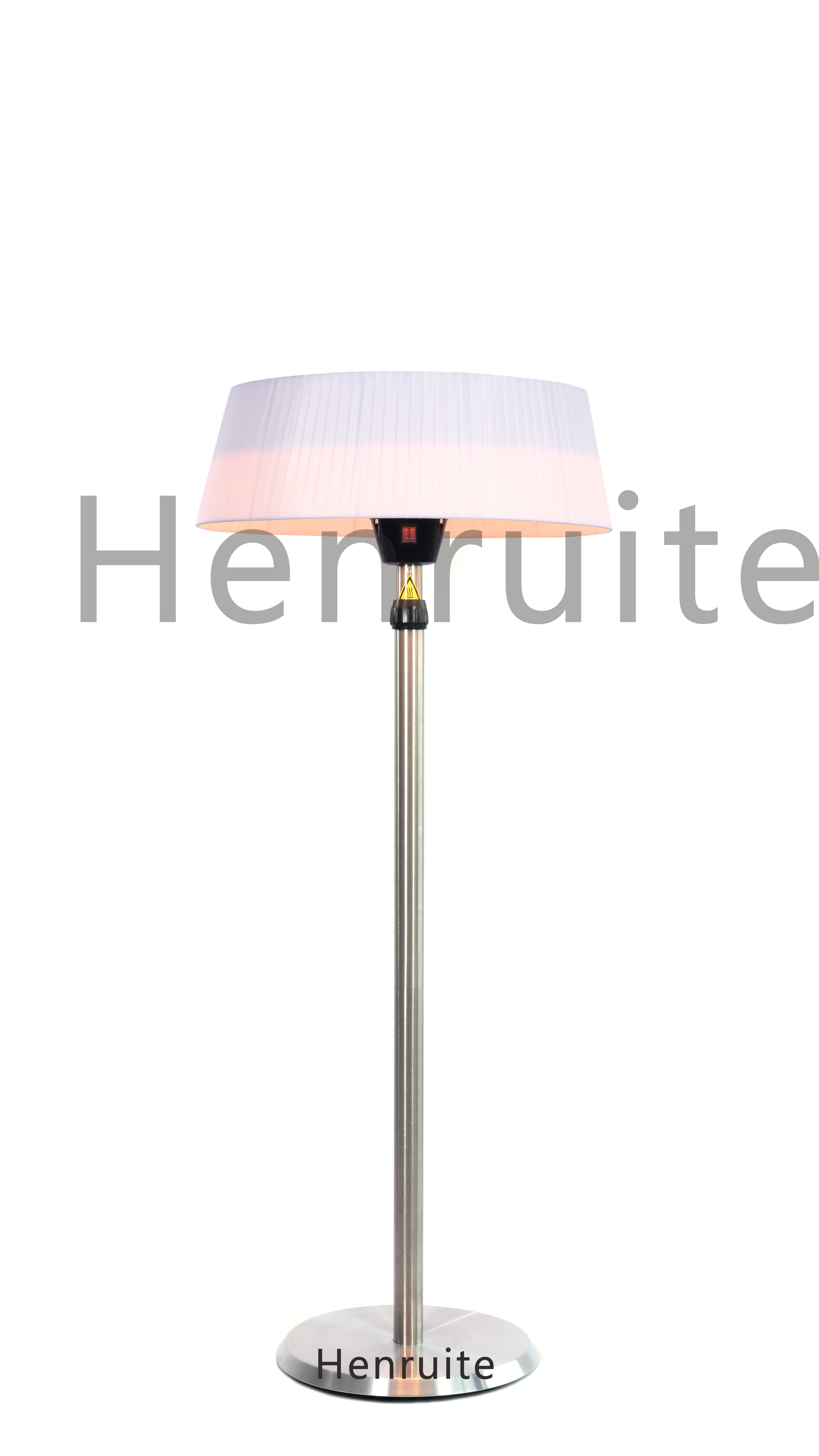
Placement matters. Infrared warmth is directional, so point the heater where people gather, not at a blank wall. Keep clearances honest—at least three feet from combustibles. And avoid staring directly at the element for long stretches. Most units are meant for indoor use. If you’re near an exterior door, pick a model rated for those conditions. If the space is truly outdoors, step up to an outdoor-rated patio heater instead.