
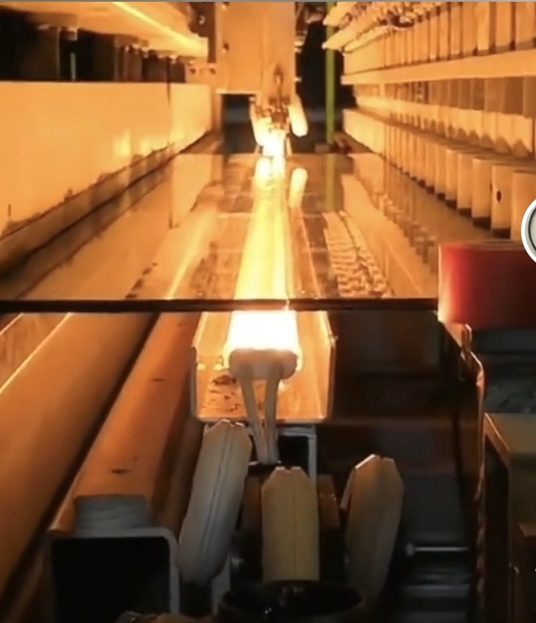
Stop Gambling With Your Glass Batches
If you’ve ever run a batch-process glass oven, you know the frustration of “batch drifting.” It’s a nightmare. You pull one load out and it’s flawless. Then, the very next load comes out with internal stress or weird distortions. Why? Because your heat isn’t actually hitting the glass the same way every time. Think about it: if one lamp is pumping out 1200W but the one right next to it is only doing 1100W, you’ve got cold spots. In the world of annealing, those tiny temperature gaps are the difference between a perfect part and a piece of scrap.
Getting the Heat Right
The trick to fixing this is all in the details of the lamp. Most standard lamps have a pretty wide variance in power. We handle this by tightening the specs on the tungsten filament and the quartz envelope. By using high-consistency quartz lamps, we keep the wattage in a much tighter window. When you wire these up, every single tube puts out the same energy. It doesn’t matter where the glass sits in the oven—it hits that annealing point evenly. No more guessing.
The Good and the Bad of Quartz
We use quartz because it can handle the shock of rapid heating and cooling without just snapping. Plus, these lamps use short-wave infrared radiation. That’s a fancy way of saying the heat sinks into the glass much faster than traditional hot air would. It makes your ramp-up way quicker. But here’s the catch: quartz is fragile. If a loading arm bumps a tube, or if someone touches the glass with oily fingers, that lamp is going to burn out early right at that spot. You’ve got to keep the environment clean and make sure your mounting brackets are solid so nothing is vibrating.
What This Actually Does for Your Day
When your heat output is locked in, your life gets a lot easier. You can stop guessing how long the “soak time” needs to be. You don’t have to rely on an operator’s “gut feeling” or a lucky streak. Instead, you just trust your PID settings. The result? Your reject rate drops. Your quality stays steady from the first piece to the last. It just works.