


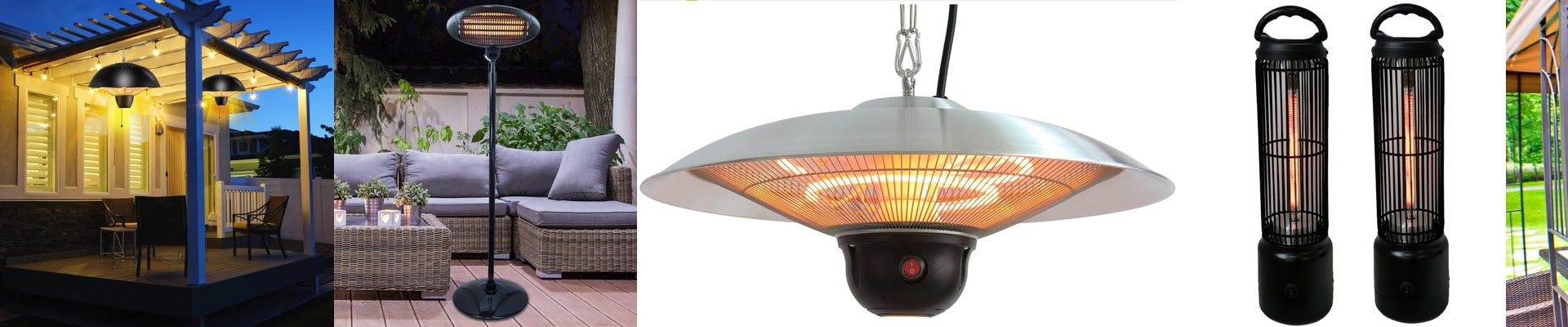

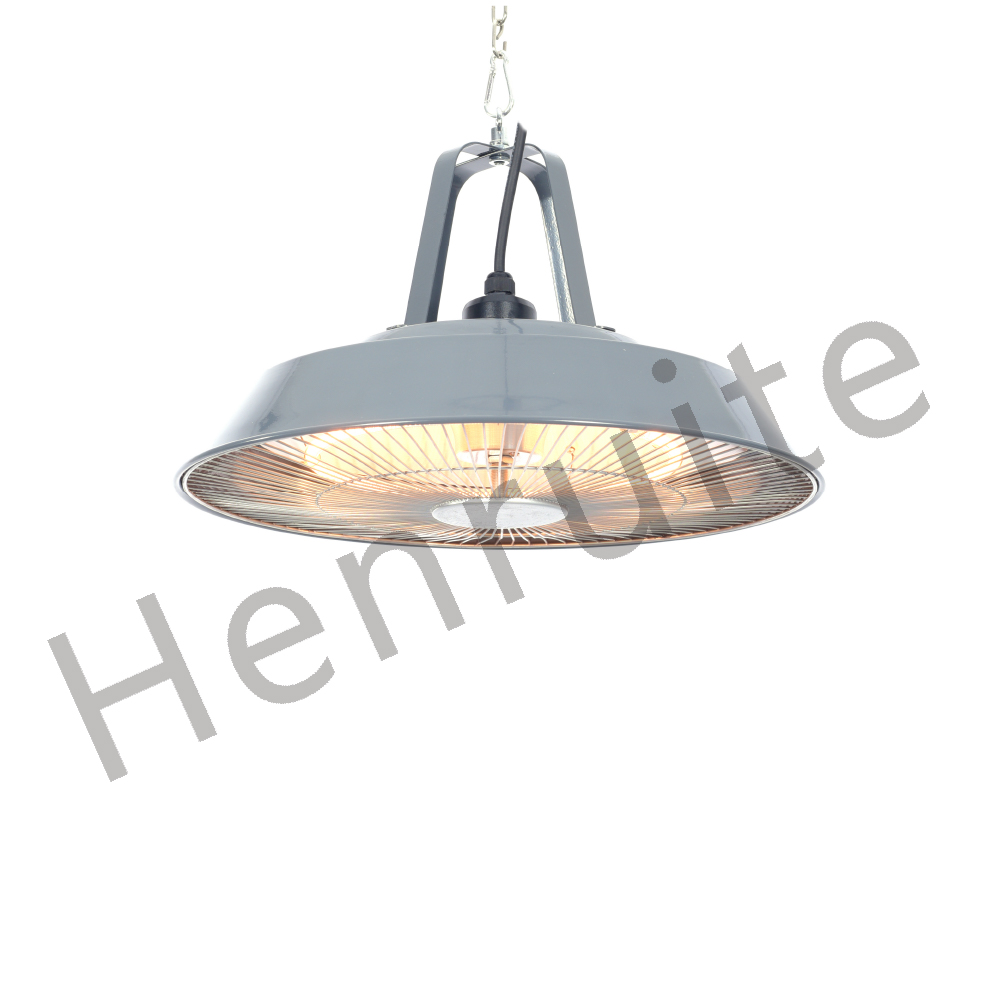
Why Your Bathroom Heater Keeps Dying (and How to Fix It)
Let’s be honest: those old-school bathroom light-warmers are kind of a joke. They usually rely on cheap bulbs that just aren’t built for a room full of steam. One minute you’re warming up, and the next, the bulb pops because the humidity finally got to it. That’s why we’ve moved over to IP65-rated infrared elements. They’re built to actually survive in a wet bathroom without the circuitry frying every few months. The “IP65” thing—why it actually matters If you see “IP65” on a box, it basically means the thing is dust-tight and can handle a direct spray of water. Think about your bathroom. Between the shower steam and the occasional splash, you’ve basically got a conductive highway for electricity to go where it shouldn’t. We fix this by using high-temp silicone gaskets and reinforced seals where the glass meets the metal. It keeps the water away from the electrodes. Without that seal, you get those annoying electrical arcs and your filament burns out way too fast. Heat you can actually feel These replacements use quartz glass tubes filled with halogen gas. The cool part? This lets us crank the heat way up without the filament evaporating. It creates something called shortwave radiation. Instead of trying to warm up all the air in the room (which takes forever), this heat hits your skin and the surfaces around youinstantly. It’s the difference between waiting for a room to warm up and feeling that immediate glow the second you flip the switch. Getting it installed For the most part, these are just drop-in replacements. You pull out the old bulb, pop in the sealed infrared unit, and you’re good to go. But, a quick heads-up on two things: First, check your wiring. These infrared elements pull more power than those old decorative bulbs. If your wires are too thin, you’re going to keep tripping your breakers. Second, these things gethot. Like, really hot. Keep any flammable stuff a few inches away from the element so you don’t have any accidents. We build these to take a beating from the humidity, but please—make sure your housing is grounded. The seal keeps the water out, but a grounded chassis is your safety net just in case the outer casing ever cracks.