
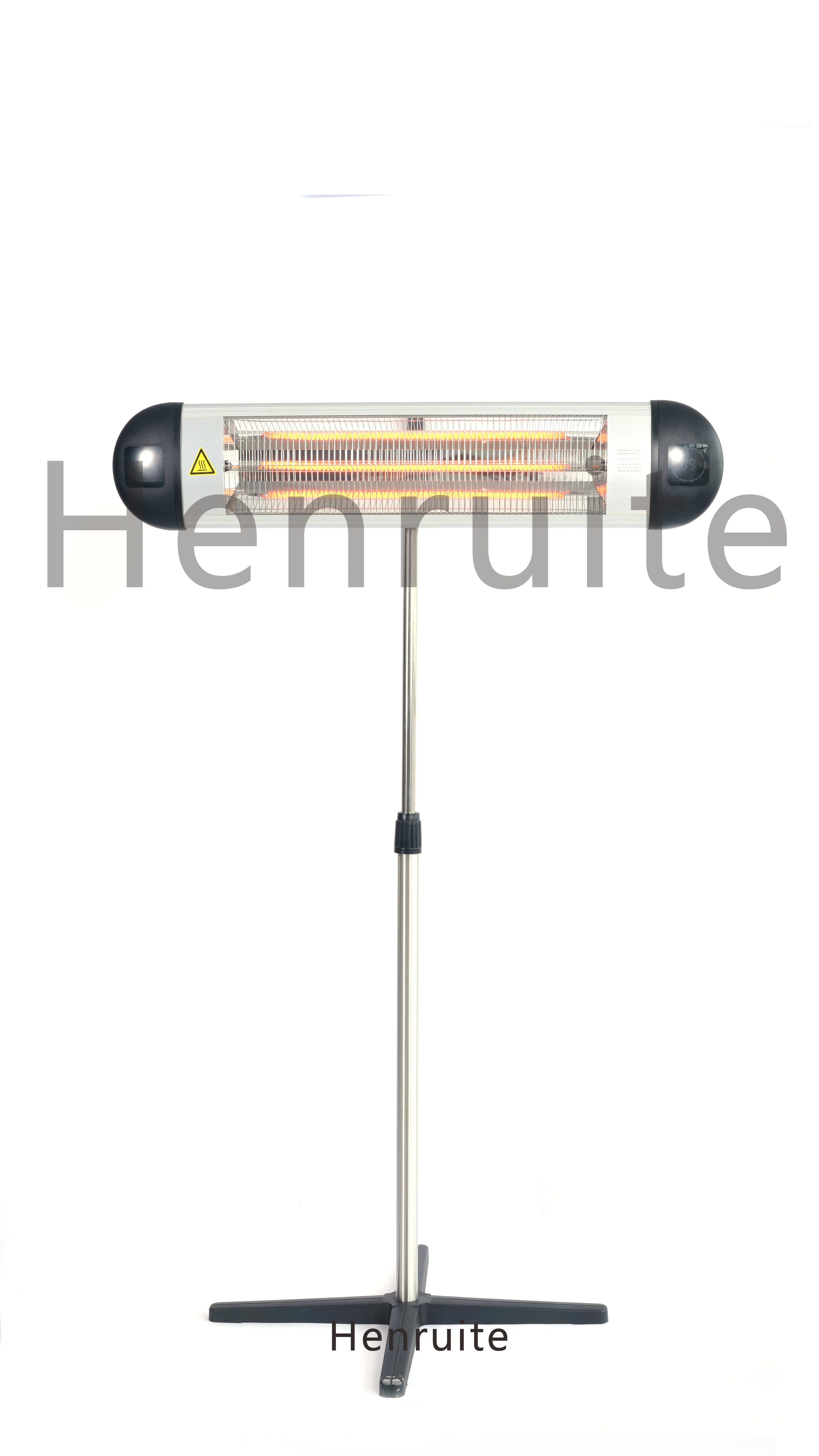
Stop Replacing Your Infrared Heaters Every Few Months
If you’ve ever put a standard infrared heater in a wash-down area or a humid shop, you know the drill. One day it’s working fine, and the next, it’s dead. Moisture gets inside, shorts out the electronics, and eats away at the heating elements. It’s frustrating, and frankly, it’s a waste of money. We decided to fix this by using an IP65-rated enclosure. Basically, we built a shield that keeps fog and splashes exactly where they belong: on the outside. What does IP65 actually do for you? In plain English, it means the unit is tight. No dust gets in, and water can’t find a way inside, even if it’s sprayed from any angle. We use heavy-duty gaskets and sealed cable entries to make sure nothing touches the quartz tube or the electrical terminals. In steamy environments, a cheap, unsealed heater suffers from “creepage.” That’s just a fancy way of saying moisture creates a bridge for electricity to travel where it shouldn’t, usually ending in a loud pop and a broken machine. Dealing with the “Cold Drop” problem Here is a scary thought: imagine a cold drop of water hitting a lamp that’s glowing at 600°C. The glass doesn’t just crack; it can shatter from the thermal shock. To stop that, we designed the housing to keep a steady thermal boundary. It keeps the lens warm enough that the dew point never hits. No fog, no droplets, no shattered glass. Just steady, reliable heat. A couple of things to keep in mind Now, sealing a heater this tightly does change a few things. Since there’s less natural airflow, the internal wiring can get a bit hotter than usual. Just make sure your control box is rated for those higher temperatures. Also, a quick tip: don’t go overboard when tightening the mounting brackets. If you crank them down too hard, you might actually pinch or warp the gasket, which ruins the seal. Just snug them up and you’re good. Where this actually matters You’ll see the biggest difference in places like food processing lines or PET blowing plants. These are brutal environments. Instead of swapping out corroded lamps every few months, these sealed units just take the beating from the daily spray-downs and keep on humming. If you’re tired of your heaters giving up the ghost the moment things get wet, this is the way to go.