Dealing with Voltage Headaches in Glass Annealing
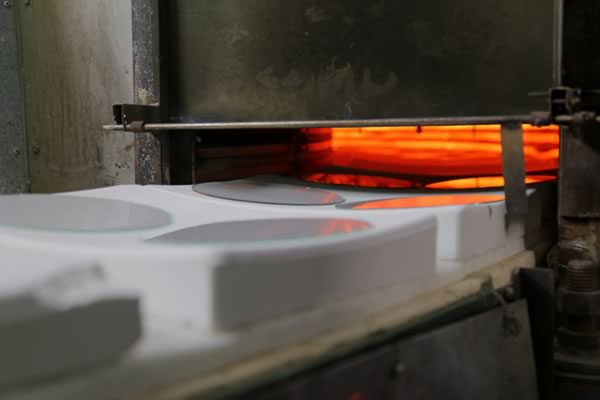
If you’re working with scientific glass annealing bulbs, you know the drill. You need that thermal gradient to be spot on, or you’re looking at a pile of cracked glass and a lot of wasted time. But here’s the real kicker: the equipment itself usually isn’t the problem. It’s the power grid. Moving gear across borders is a nightmare because every region has its own electrical quirk. That’s why we build our infrared lamps to fit wherever you’re plugged in—whether that’s a standard 110V setup in North America or the heavy-duty 480V and 575V lines you find in big industrial plants. Why the voltage actually matters It’s pretty simple. If you plug a lamp into the wrong voltage, one of two things happens: you either fry the filament instantly, or the lamp never gets hot enough to actually anneal anything. We tweak the windings and the thickness of the filament to match your local power. For example, if you go with a 575V lamp, you’re pulling less current than you would with a 110V unit of the same wattage. That means less strain on your wiring and no annoying voltage drops when you’re running long cables across a massive factory floor. Getting the heat where it needs to go To make sure the heat actually penetrates the glass bulb instead of just scorching the surface, we use high-purity quartz envelopes. It lets that short-wave IR soak deep into the material. Depending on what you’re doing, you can grab clear quartz or go with a coated version if you need a specific wavelength. Just a heads-up, though. High-wattage, high-voltage setups getstaggeringly hot. If you’re running a 480V high-output lamp, make sure your housing has plenty of airflow. Otherwise, you’ll end up with melted sockets, and nobody wants to deal with that. Swapping them out We designed these to be drop-in replacements. You shouldn’t have to mess around with your jigs or rebuild your setup. Whether you’re using standard R7s or those specialized SK connectors, we match the dimensions exactly. These lamps are built to take a beating in a 24/7 production environment. Just double-check that your controllers are rated for the lamp’s voltage. It’s a small step, but it keeps your gear from burning out way sooner than it should.