
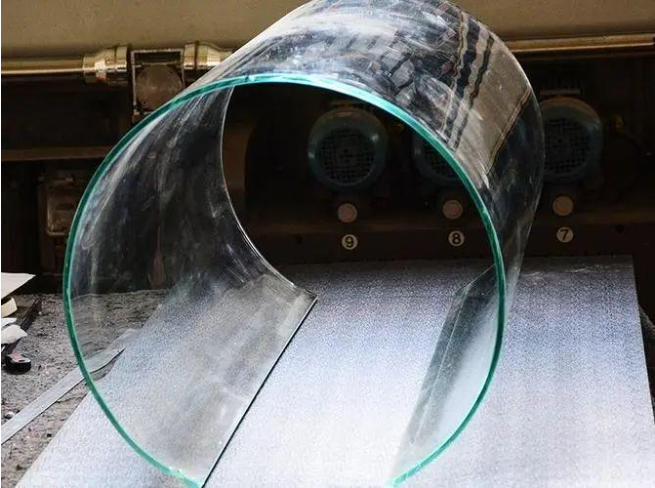
Getting the Heat Right in High-Temp Glass Molding
Ever feel like you’re pumping a ton of energy into your glass, but it’s just not behaving? Here’s the thing: most standard IR lamps are pretty wasteful. They blast out a wide range of energy, but your glass only wants a tiny slice of it. In high-end molding, you’re usually working with specific additives that are picky. They only react to very narrow bands of the IR spectrum. If your lamp is hitting the wrong notes, you end up with a mess—uneven heating, weird surface defects, and a lot of wasted electricity. It’s about the frequency, not the volume We don’t just crank up the heat. Instead, we tweak the spectrum to hit the exact wavelength where your additives actually absorb energy. By messing with the filament materials and how we dope the quartz envelope, we can shift where that energy lands. The result? The heat actually sinks deep into the glass mass. It solves that annoying problem where the surface starts bubbling and overheating while the core is still way too cold to mold. It just feels… smoother. The trade-off Now, there is a catch. When you narrow the spectrum to be super precise, you lose some of that raw, broad-spectrum power you get from a basic halogen lamp. You might notice a dip in the total radiant flux. To keep your cycle times where they need to be, you’ll probably want to add a few more tubes or move the lamps a bit closer to the part. It’s a simple fix, but one you need to plan for. Setting it up for success These lamps are built for the grind. We use heavy-duty quartz because rapid cycling is brutal on equipment, and you need something that won’t crack under the pressure. One quick tip on the wiring: keep your power supply steady. If you get voltage spikes, the filament temperature jumps. When the temperature shifts, your spectral alignment shifts right along with it. Suddenly, you’re not hitting that “sweet spot” anymore. Keep your PID controllers tight, and your glass will hit that softening point every single time.