
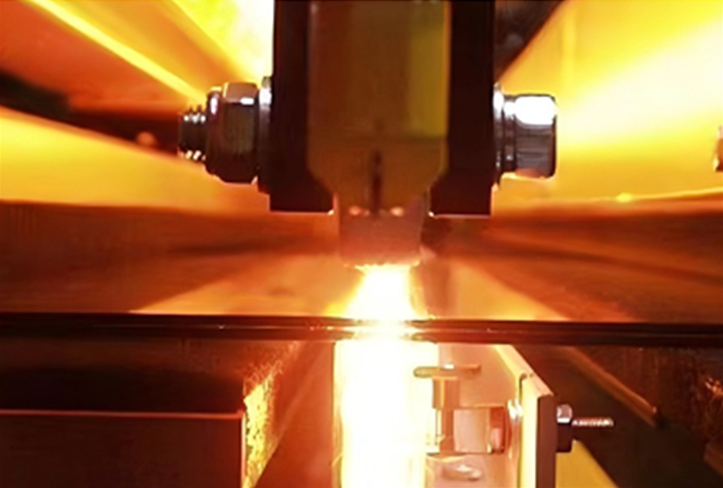
Fitting Serious Heat into Tiny Spaces: Mobile Glass Repair
When you’re trying to cram a high-output heater into a mobile glass repair bracket, you’re basically fighting for every single millimeter. It’s a tight squeeze. You can’t just throw in a bulky heating array and hope for the best, especially when you’re working with limited voltage and a tiny footprint. Our fix? Short-wave infrared (SWIR) lamps. They pack a ton of power into a very small package.
The Struggle with Power and Heat
Mobile setups are tricky. Your power source might fluctuate, or your DC-to-AC converter might be struggling to keep up. We’ve tuned these lamps to heat up fast without blowing a fuse or overloading your power supply. By squeezing the wattage into a shorter quartz tube, we get way more heat per square inch. It’s great for softening glass or resin in a heartbeat. But there’s a catch: that much concentrated energy can warp your housing if you aren’t careful. You’ve got to shield the bracket, or you’ll be replacing it sooner than you’d like.
Picking the Right Parts
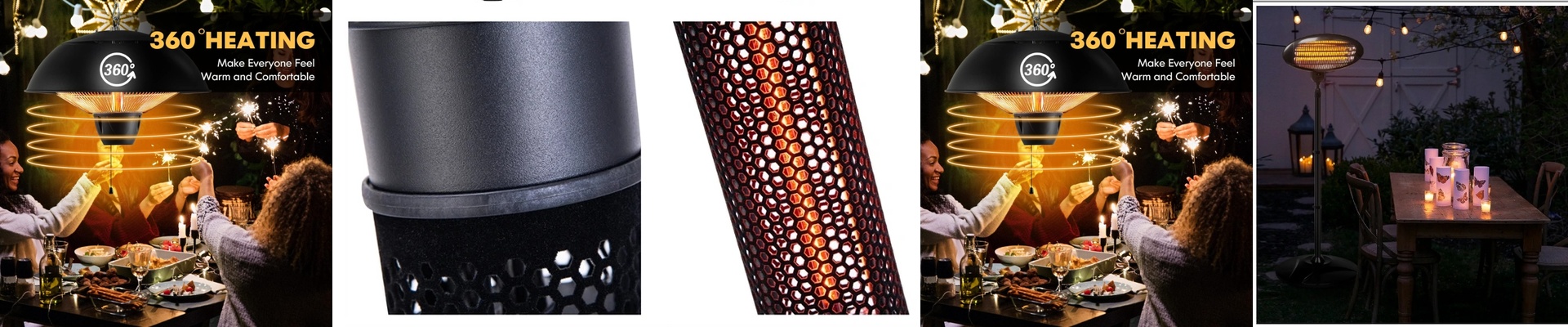
We use high-purity quartz envelopes so the lamps don’t just burn out the moment they hit a rapid temperature swing. To keep things lean, we use miniature connectors—think R7s or specialized pin-bases. This keeps the wiring harness thin, which means the lamp can sit flush against the glass. Plus, a shorter focal length means less heat is wasted warming up the air and more is aimed exactly where the CNC cutter needs it.
The Reality Check
Let’s be honest: shrinking things down always comes with a trade-off. Putting high-wattage lamps in a small space creates some intense localized heat. If your bracket isn’t vented or made from heat-resistant alloys, the whole assembly is going to take a beating. You have to find that sweet spot between the lamp’s power and the bracket’s thermal mass so you don’t accidentally cook the CNC’s precision rails. One last tip: use high-temp silicone cabling. Trust me. You don’t want your insulation melting mid-job.