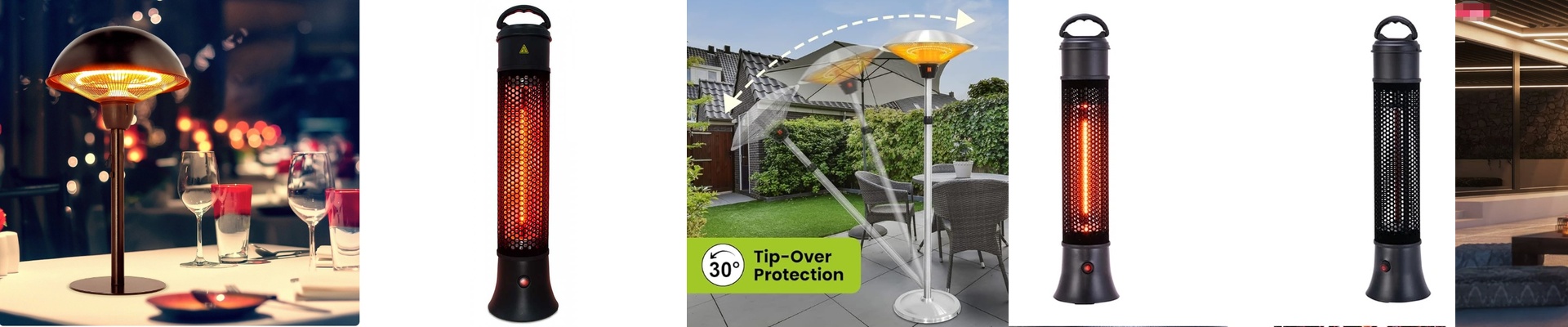
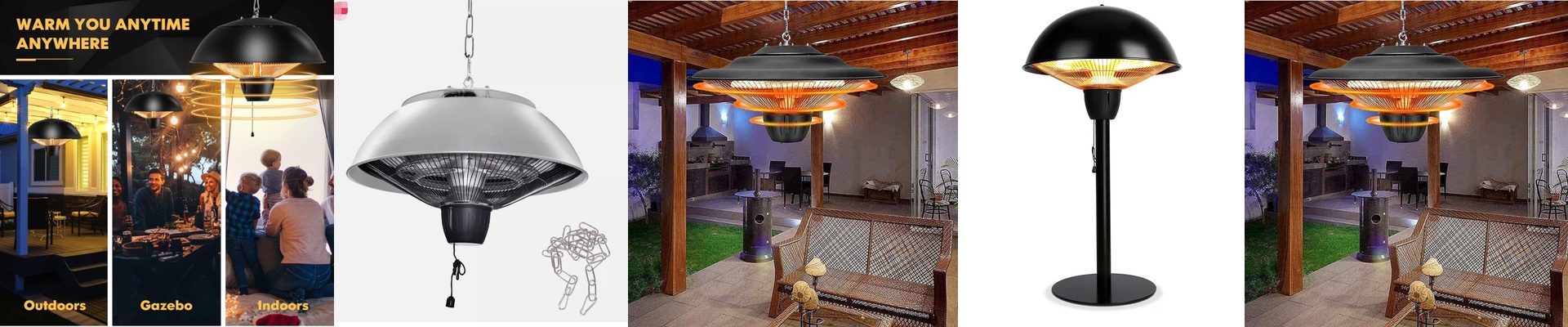
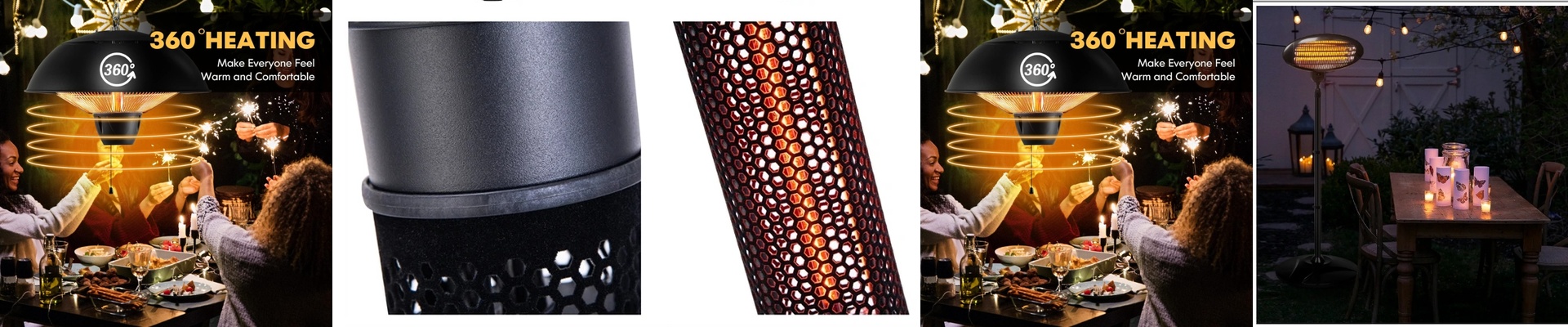
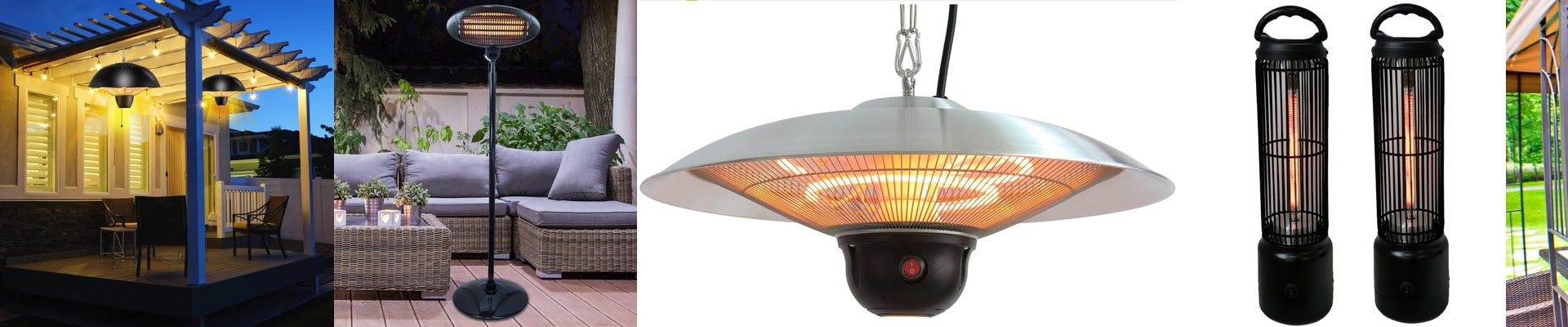
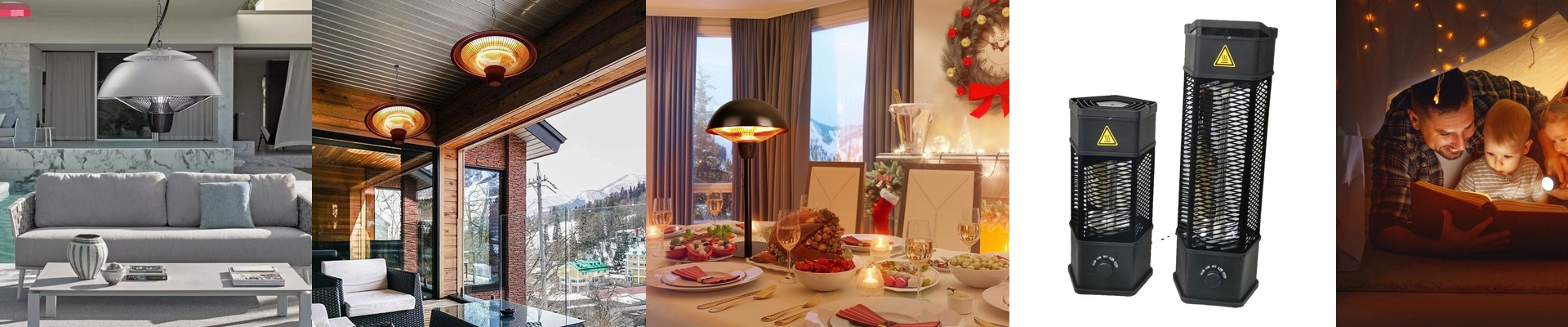
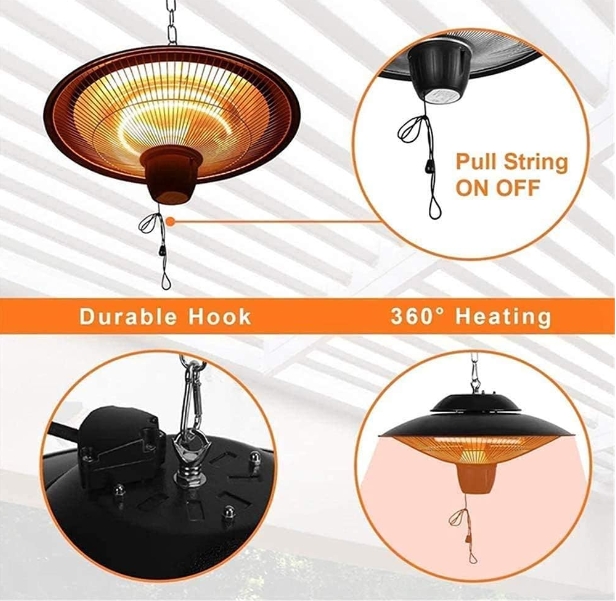
Out here off-grid, the sun goes down and your battery monitor stops being a number—it starts feeling personal. Heat isn’t just comfort anymore. It’s a nightly equation you have to get right. An infrared heater, paired with a solar PV setup, turns that equation into a steady plan: warmth without the noise, the drafts, or the midnight fuel runs you get with conventional systems.
What matters, technically
Infrared warmth is radiant heat, plain and simple. It works like standing near a sun-warmed wall—warming people and surfaces first, not the air. You feel cozy while the room stays quiet. Many units run on a carbon fiber or quartz element. They come up to heat fast, and if you’ve got a thermostat on board, you can hold a steady feel instead of chasing big temperature swings. On a deck or in a living space, tip-over protection is a practical safety feature. If the heater gets knocked over, it cuts power automatically. Also look for a stable footprint, low-glow operation, and an IP rating that matches the spot—dry indoor use, or protected outdoor areas.
Why it fits an off-grid solar setup
Solar PV makes power when the sun is up, and the batteries bank it for evening. Infrared heaters pair well with that rhythm because they put the energy where it matters—your body and the immediate surroundings—without trying to heat the entire volume of air. In practice, you can run the heater during peak solar hours, store what’s left, and then draw modest power at night to keep the worst chill off. The house feels steady, not stressed. You get comfort where you need it, fewer operational hassles, and a heating approach that moves with renewable energy instead of fighting it.
The details that make the difference
Sizing matters. Match the heater’s wattage to your battery bank and inverter capacity, and make sure the voltage and plug type are compatible with your system. Infrared heat is directional, so placement is key. Aim it toward seating areas for the best effect. Tip-over protection is reliable, but it works best when the heater sits on a level, solid surface, clear of foot traffic. In very damp or exposed areas, pick a model rated for outdoor use and give it the weather protection it needs.