



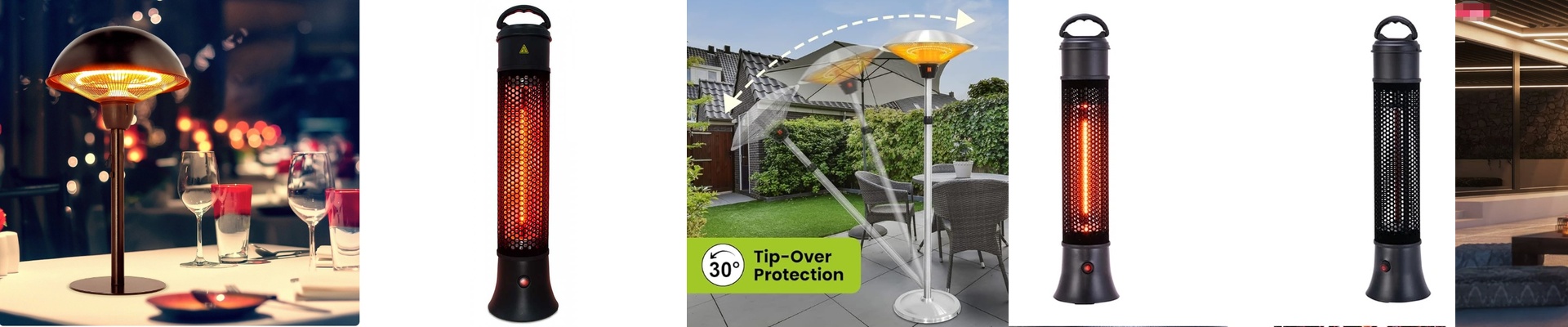
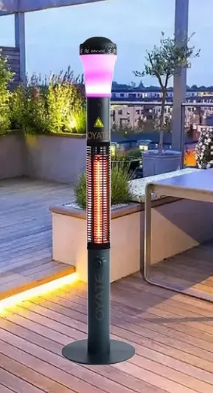
Why Your Bathroom Needs a Real Infrared Heater (And Not Just a Heat Lamp)
Ever noticed how those old-school bathroom heat lamps always seem to quit right when you need them? It’s usually because they just aren’t built for the steam. One bad shower, a bit of moisture gets where it shouldn’t, and suddenly the thing shorts out. That’s why a lot of people are switching to high-IP infrared heaters. It sounds technical, but it basically just means they’re built like a tank against water. The deal with “IP Ratings” Think about your bathroom. You’ve got splashes, heavy steam, and constant humidity. Most basic heaters don’t have the gaskets or sealed terminals to handle that. When water sneaks into a non-sealed heater, the internals start to rust and oxidize. It’s a slow death. But a unit with a high IP rating keeps the electrical guts totally isolated. It stays dry, which means it actually lasts. Warmth you can actually feel Here is the best part: infrared is different. Standard heaters try to warm up the air. But the second you open the door or crack a window, all that warmth vanishes. You’re left shivering again. Infrared doesn’t care about the air. It sends out waves that heat you and the surfaces around you directly. It feels like stepping into a patch of sunlight on a cold day. It’s instant. No waiting around for the room to “warm up.” A heads-up on installation Now, there is a catch. You can’t just plug these into a random wall outlet and call it a day. These units pull a lot of power to give you that instant heat, so they need their own dedicated circuit. If you try to run it on a weak circuit, you’ll probably trip your breaker the moment you flip the switch. It’s worth getting the wiring done right the first time so you aren’t resetting your power box every morning. The trade-off One thing to keep in mind: because these units are so tightly sealed to keep water out, they aren’t really designed to be tinkered with. If something goes wrong inside that waterproof housing, you can’t just swap out a tiny screw or a wire. You’ll likely have to replace the whole unit. It’s a bit of a trade-off, but honestly? I’d rather replace a unit once every few years than deal with a heater that corrodes and dies in six months because of a little steam.