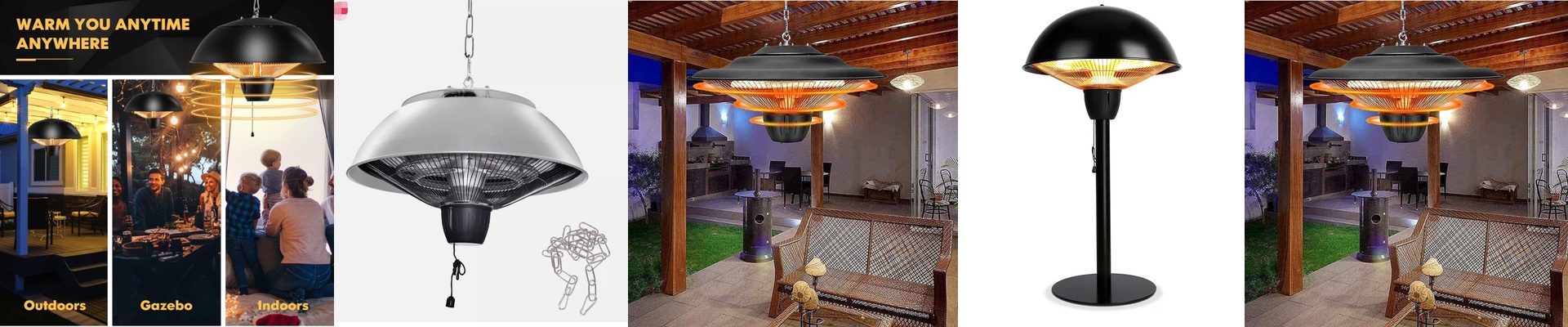
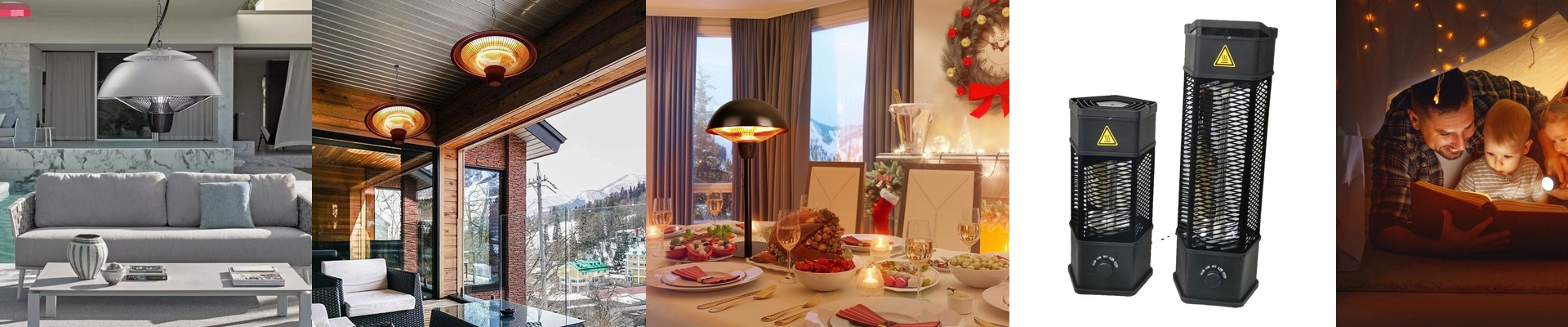
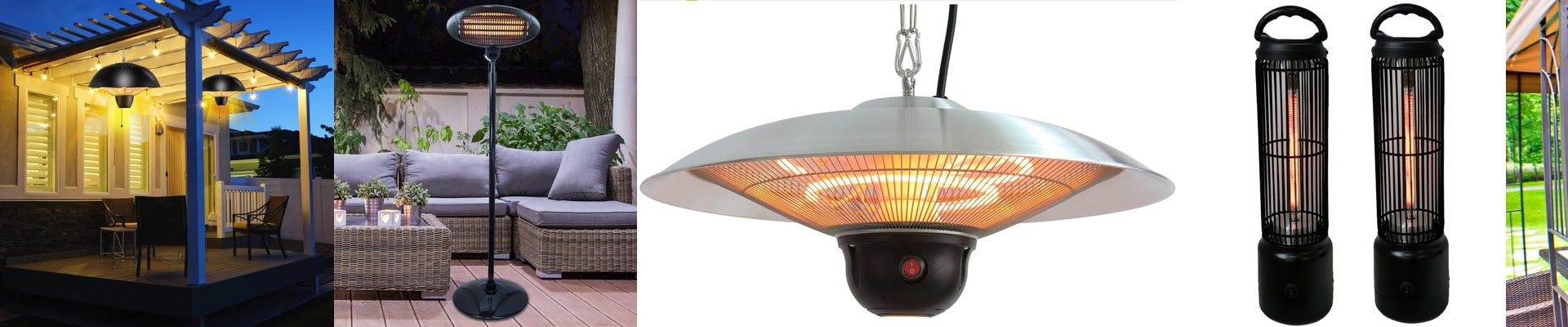
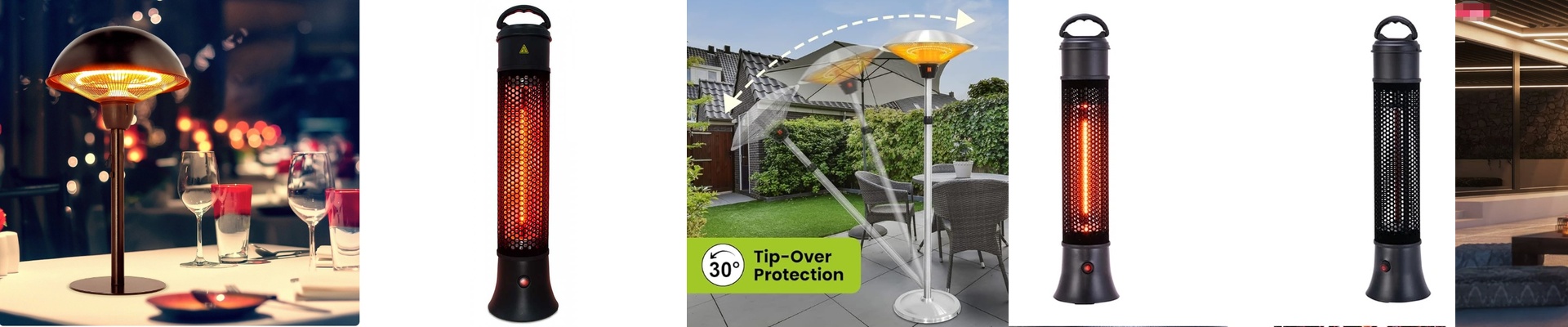
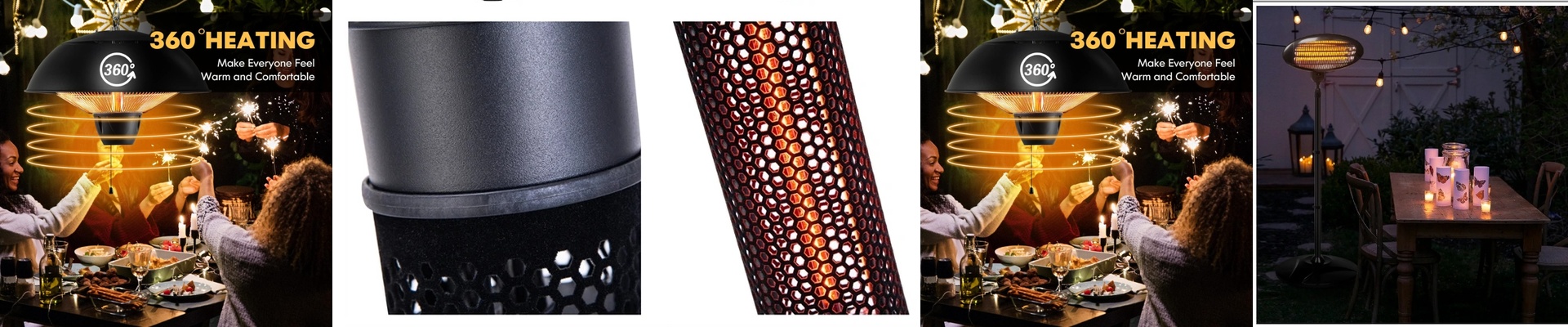
When winter hits, the cold that works its way into a pet’s space does more than make them uncomfortable. It can slow circulation, stiffen joints, and leave older animals especially exposed. In a pet-care setup, conventional heaters tend to dry out the air or create hot spots, while drafty arrangements just burn energy. That’s why, when you’re building a solid pet warm room, you start with a different kind of heat: infrared.
What matters, technically
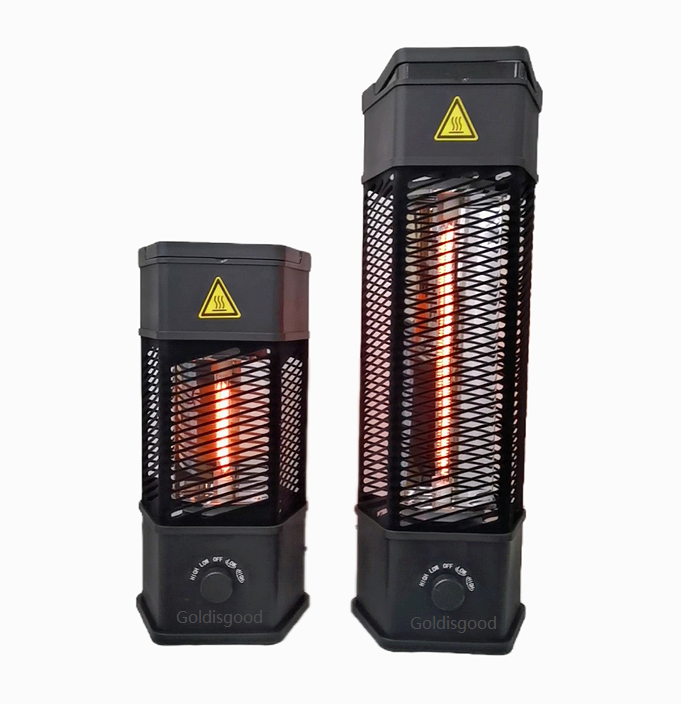
An ETL-listed space heater built around infrared technology delivers warmth the way the sun does—without moving air. The heart of it is a radiant element that throws immediate, directional heat, so you get warmth right where pets rest: at floor level, not up at the ceiling. Infrared penetrates fur and skin more gently than forced-air, which helps support blood flow and keeps muscles relaxed. Because there’s no fan, the unit runs quiet. It’s engineered for steady performance with straightforward controls: set the thermostat, and the heater holds a consistent comfort zone. The ETL listing means it meets recognized safety standards for electric heating, so you can run it day after day with confidence.
Why this approach fits
Pets feel comfort in warmth that’s even and body-focused—not in blasting air. Infrared warmth supports healthy circulation, which matters when animals spend hours napping, playing, and resting in the same area. Since the heat is radiant, you sidestep the drafts and dryness that can irritate eyes and make breathing uncomfortable. The upshot is a room that feels stable, with fewer swings in temperature. For you, that means less wasted energy and a calmer environment—no noisy cycling, no sudden blasts of hot air, just steady comfort.
What you need to keep in mind
Place the heater so pets have room to step away from the direct warmth, and keep the marked clearances clear. Infrared heat performs best in well-insulated spaces; in drafty or open-air setups, you’ll see performance drop. For the best results, pair it with a room thermometer and size the unit properly for your space—so the heater isn’t running constantly.