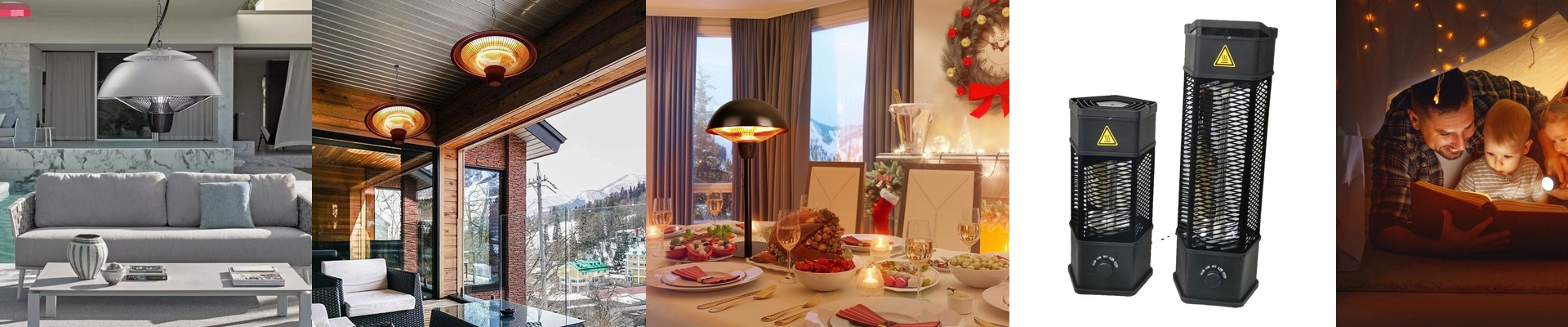
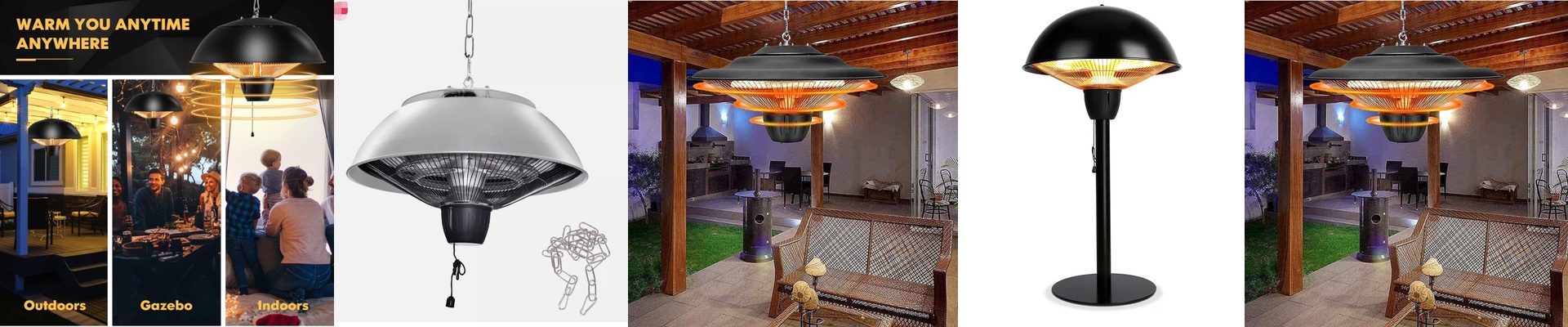
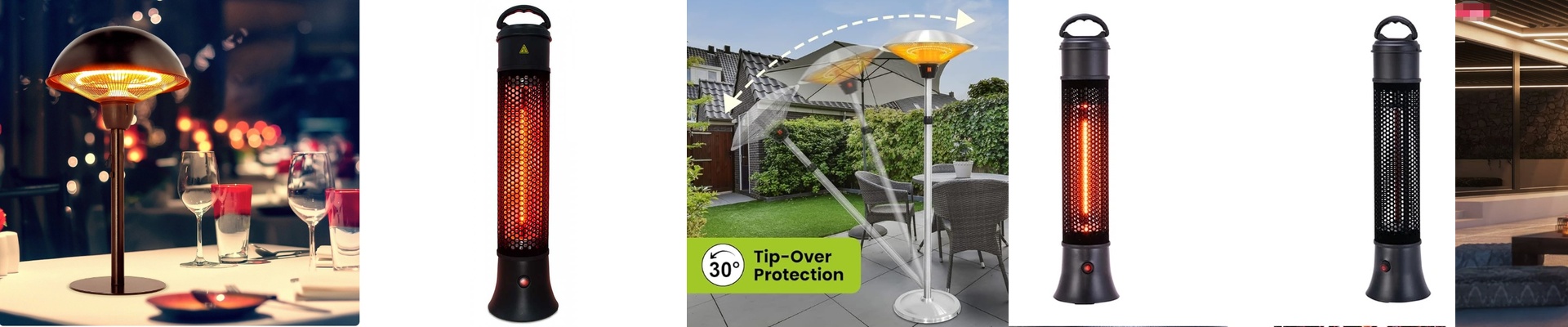
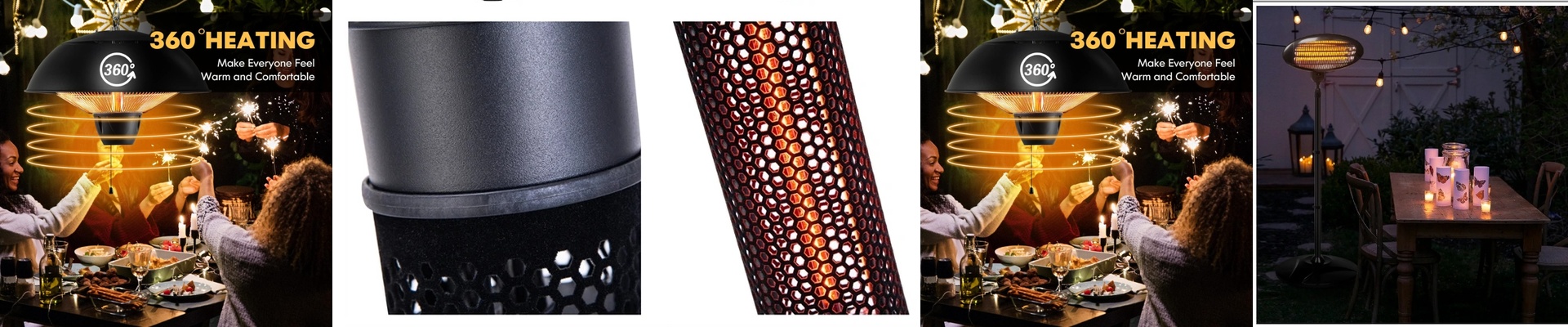
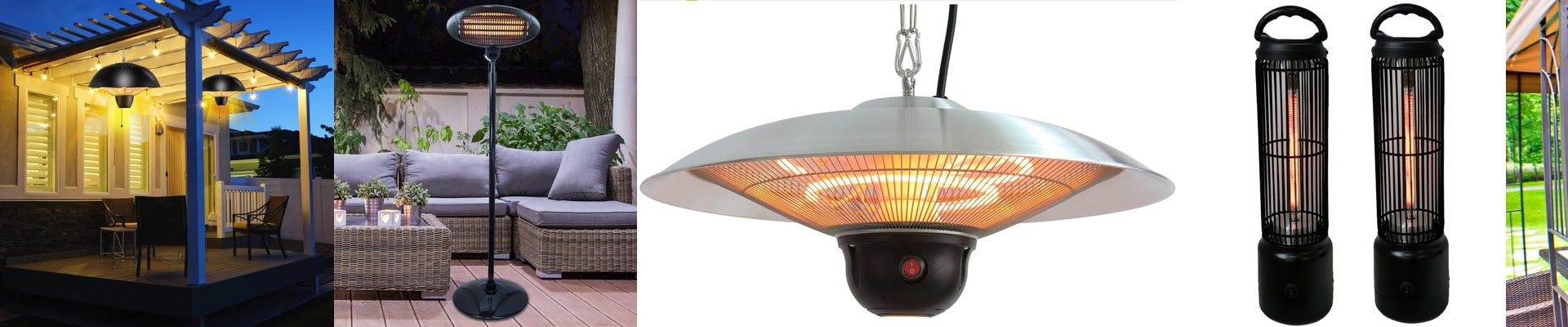
Why an Infrared Lamp is Actually a Secret Weapon for Your Bathroom
Most people think a bathroom heating lamp is just about not shivering while you dry off. But if you look at it from a practical side, it’s actually more about fighting moisture. We use infrared (IR) technology here. Instead of just warming up the air, it goes after the water molecules directly.
The deal with damp walls and mold
Think about a regular space heater. It warms the air, the air eventually warms the walls, and you’re left with these annoying cold spots. That’s where condensation hangs out. And where there’s condensation, mold usually follows. Our IR heaters work differently. They send out short-wave radiation that actually penetrates your damp towels and tiles. It basically shakes the water molecules until they evaporate. By drying out the surfaces quickly, you stop moisture from sitting around long enough for mold spores to move in. It’s a direct hit.
The nuts and bolts
We use high-wattage quartz elements because they pack a punch. You get that instant heat the second you flip the switch. Let’s be honest: nobody wants to leave a bathroom heater running for three hours. You want it warm now, and you want it to work fast. Now, there is a catch. Because IR focuses heat on a specific spot, things can get hot—fast. That’s why we make sure the housing is built to handle the heat. You don’t want a fixture that warps or a ceiling mount that can’t take the pressure.
Keeping things fresh
If you want to kill the mold cycle, you have to get rid of the humidity. Simple as that. By putting IR lamps in your towel rails or on the ceiling, you’re basically creating a “dry zone.” It dries your linens and tiles way faster than air-drying ever could. You’re taking away the one thing mold needs to survive: water. It’s a straightforward, mechanical way to solve a messy biological problem.