Introduction
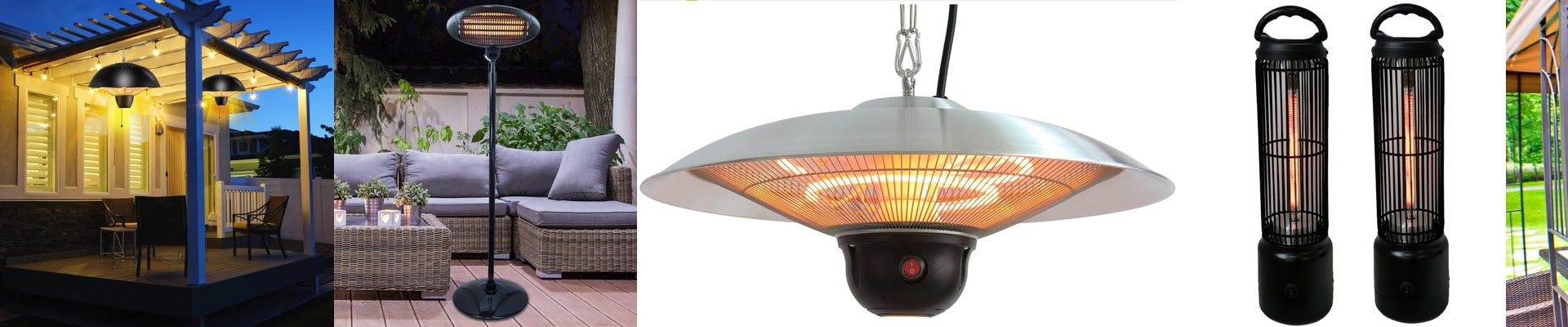
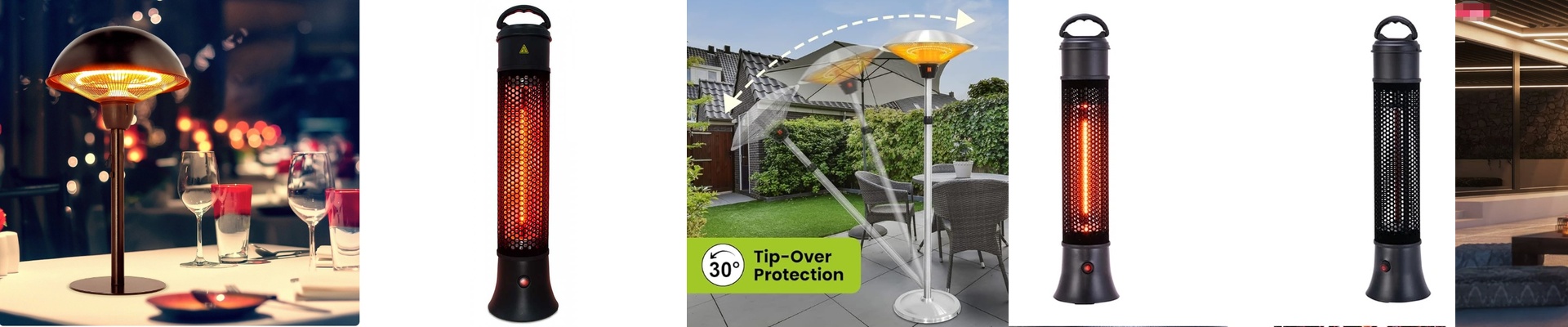
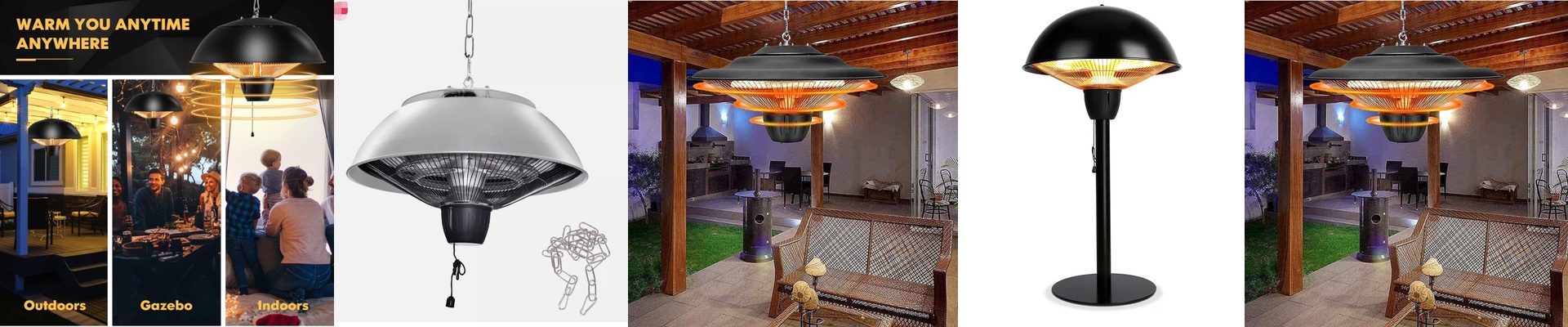
We built our wall-mounted infrared heaters for one place: hot yoga studios. The idea is simple. We use powerful halogen lamps to send warmth straight where it matters—onto your body and the surfaces around you. Not just into the air. That’s how you get steady, comfortable heat in a space that’s humid, variable in size, and energy-conscious.
Getting into the details
At the heart of it are the infrared lamps, and the wattage decides how much space they can handle. For a standard-sized studio, a 1500W lamp gives you plenty of focused warmth. If you’ve got a larger room or an open layout, stepping up to a 2500W unit keeps the heat density where you need it—without pushing your electrical system to its limit. And voltage? That’s a must-get-right detail. Our heaters work with both 230V and 400V industrial power. Going with 400V for the higher-wattage units is smart because it pulls less amperage. That means less energy lost in the wiring, and you can use thinner gauge wires. The payoff is real: lower installation costs and less strain on your building’s electrical setup.
What’s inside, and why it matters
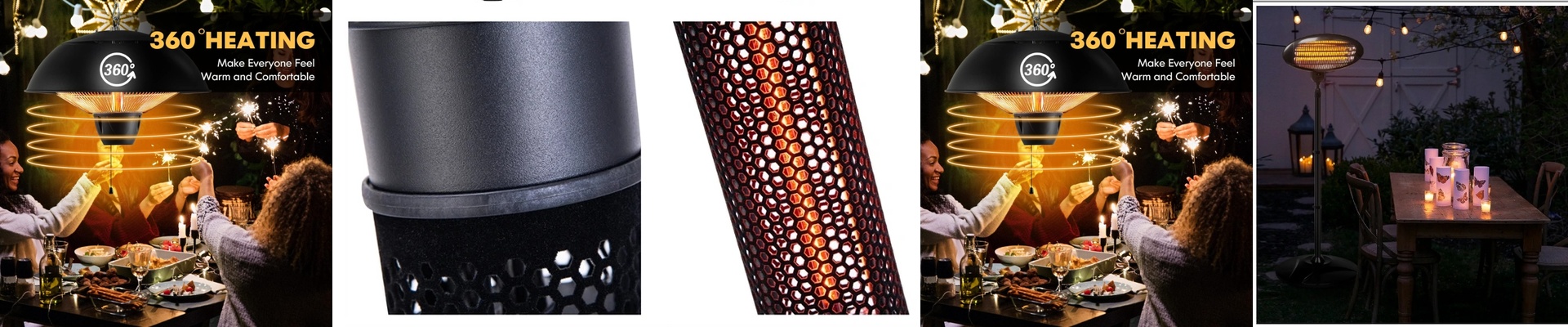
The heating element is a shortwave halogen lamp, tucked inside a tough quartz tube. Quartz handles rapid heating and cooling without cracking under thermal shock—a big deal when a unit is cycling on and off all day. The inside of the tube has a special reflective coating that pushes nearly all the infrared energy forward. So the heat goes where you want it—onto the floor and walls—instead of being wasted out the back. When it comes to installation, we kept it straightforward. The lamps use standard R7s connectors, so swapping one out when it eventually burns out is quick and tool-free. Less downtime. Less service hassle.
How it feels in a hot yoga studio
In a hot yoga room, the goal is simple: keep the air and surfaces warm enough that your body doesn’t lose heat. Our infrared heaters do exactly that by warming people and floors directly, skipping the inefficient step of trying to heat a huge volume of air. That direct approach cuts energy use way down compared to forced-air systems. But here’s the thing—these lamps do generate strong, localized heat. So you want to plan mounting distance and ventilation to manage the microclimate and keep nearby surfaces from getting too hot. Match the lamp wattage to the room size, and you get precise control without wasted energy. This setup is the real deal for hot yoga studios that need consistent, humid heat—reliable, proven, and built for the job.