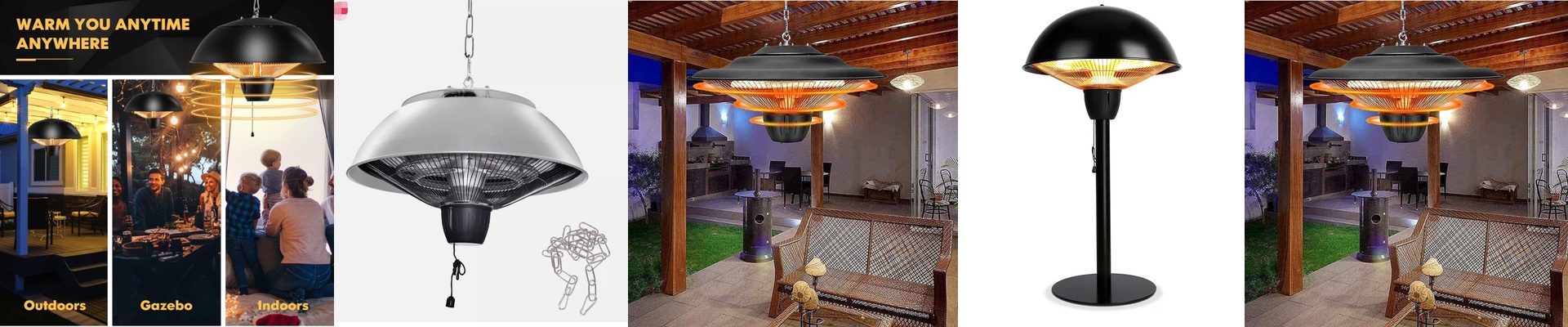
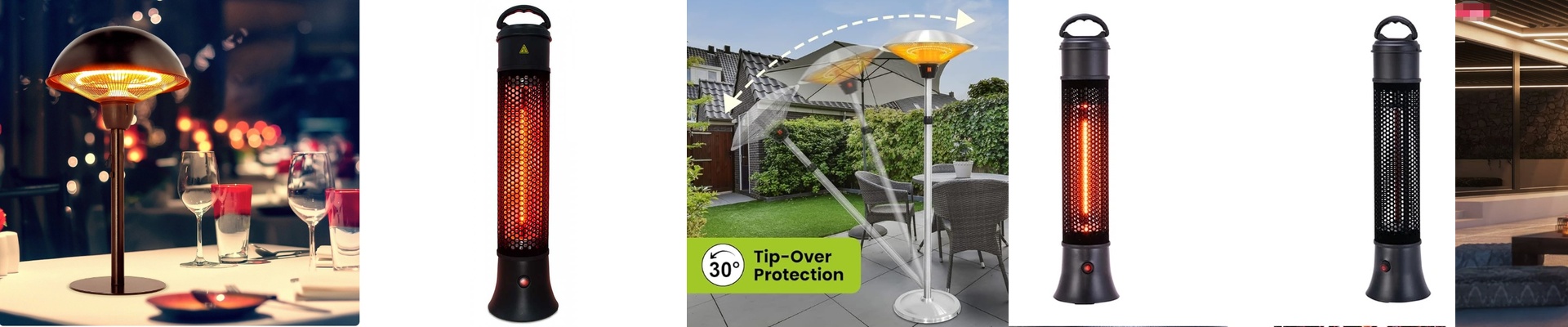


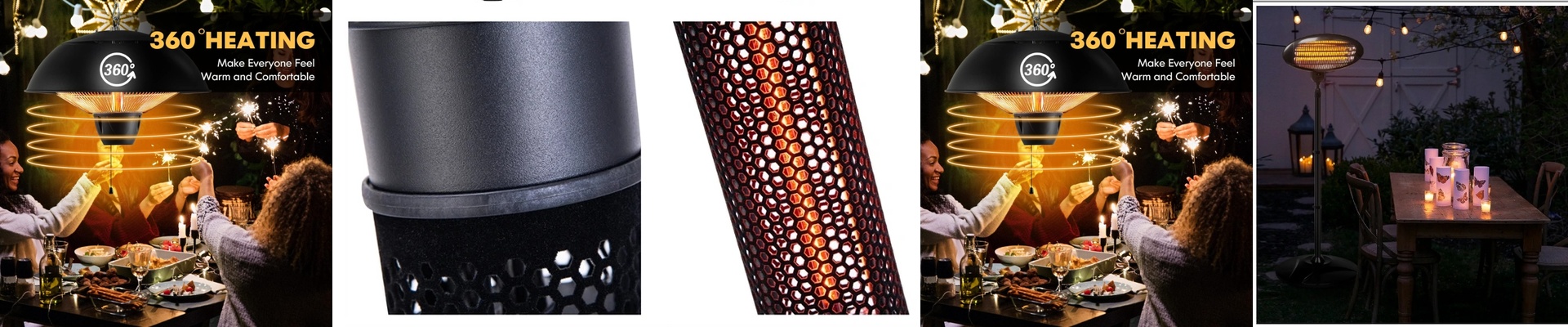
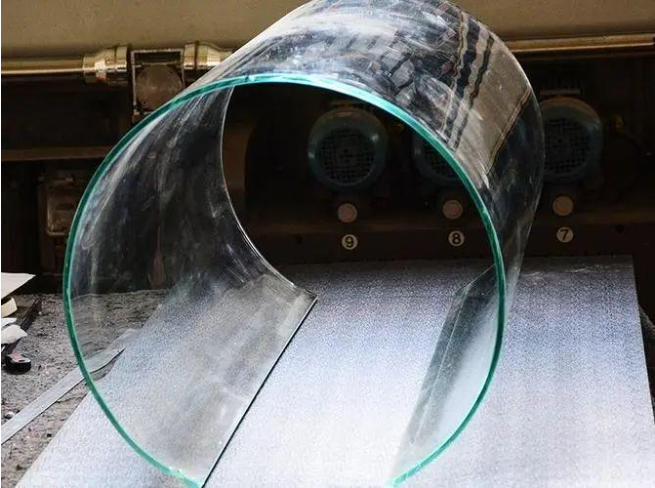
Cutting through ultra-thick glass is a brutal job. If you try to score a cold, heavy plate, your cutting wheel takes a beating. It’s a fight. You end up with wheels that wear out way too fast or, worse, glass that chips and shatters when you least expect it. We found a better way. Instead of forcing the wheel to do all the heavy lifting, we use high-penetration infrared (IR) lamps to soften the glass right where the cut needs to happen. Here’s the thing: most heaters just bake the surface. That doesn’t help much when you’re dealing with thick slabs. You need shortwave IR because it actually sinks into the glass rather than just bouncing off the top. It creates this tight, hot zone right along the cutting line. It relaxes the material. The glass becomes a bit more “plastic,” which means the wheel just glides through. No more fighting the material. But you can’t just throw any lamp on there. We use high-wattage density lamps because the heat has to hit fast. If it’s too slow, the whole plate warms up, and that’s when you get bowing or weird stress points. You need a concentrated beam. We also use quartz envelopes because the temperatures get intense. Now, you can’t just plug these in and walk away. These lamps put out a ton of heat—and not all of it goes into the glass. If your housing isn’t shielded or your fans are too weak, you’ll fry your sensors and melt your wiring. Distance matters, too. If the lamp is too close, you risk thermal shock. Too far? You lose that deep penetration you need for the thick stuff. It’s a bit of a balancing act. Once you hit that sweet spot with the temperature, everything changes. Your tools last longer because they aren’t crashing into a rigid, cold wall of crystals. It’s just basic physics making your life a lot easier.